Blog

A Beginner’s Guide to Acupressure for Fertility: SupportYour Journey at Home

Acupressure is an excellent way to support your fertility journey, not only can it bridge the gap
between weekly visits in our office, but it provides an opportunity to bring calming, intentional
energy and focused breathwork to your reproductive organs.
In this blog, I will share with you what acupressure is, why it is helpful for fertility, and how you
can use it at home.

The “What” and “Why” of Acupressure

What is it? Acupressure is similar to acupuncture, but acupuncture uses tiny, single use
needles to stimulate specific points on the body, and acupressure uses the firm pressure of your
own fingers. These points sit along “meridians,” which you can think of as energy highways.
The network of meridians work together synergistically and each meridian corresponds to
different organ systems in the body.

Why does it work for fertility? Acupressure can help reduce stress, calm the mind, improve
blood flow, reduce pain and boost mood by the release of dopamine. Stress in our modern day
lives is abundant and its negative impact on fertility is well known. Not to mention the stress that
trying to conceive causes. If your body senses stress, or perceives a threat, it will pump out
cortisol (a steroid hormone) and prioritize survival (breathing, heart rate) sending us into fight or
flight. This sympathetic response by the autonomic nervous system serves us well in the
presence of an actual threat, but when activated constantly it can work against us. While fertility
is a primary function of our reproductive system, our body will prioritize survival over
reproduction. The more we can bring our body into the parasympathetic, or rest and digest
state, the better we are able to handle and manage our stress. Acupuncture and acupressure is
an excellent way to promote this. See these three major ways it can benefit you:

  1. Shifting the Nervous System: It moves you out of Sympathetic Dominance (the
    “Fight or Flight” stress mode) and into the Parasympathetic state (“Rest and Digest”).
    Your hormones function best when you are relaxed.
  2. Boosting Blood Flow: It encourages blood to flow to the pelvic organs. This improves
    Endometrial Receptivity—which means making the lining of your uterus thick,
    nutrient-rich, and “sticky” so an embryo can implant there optimally.
  3. Hormonal Harmony: By stimulating specific points, you are sending signals to your
    brain to support your hormones and bring balance to your body.

How to Perform Your At-Home Acupressure Session

To get the best results, focus on consistency.
The Touch: Use your thumb or index finger to apply firm, deep pressure. It should feel “heavy”
or slightly tingly, but never painful.
The Timing: Hold each point for 3 to 5 minutes. Aim for 3 times a week.
The Setting: Find a quiet spot. Put your phone away. Put on some soft music. By
creating a ritual, you tell your body, “It is safe to relax now.”

Your Cycle Point-by-Point

Our bodies have different needs depending on where we are in our cycle. Remember, you want
to hold these points for 3-5 minutes at least 3 times a week
. Here is your roadmap:

    1. The Menstrual Phase (~Days 1–4)

    Goal: Smooth flow and letting go.
    Conception vessel 6: Located about 1 inch below your belly button. This is your “Sea of
    Qi” (energy).
    Stomach 36: On the outside of your shin, just below the knee. It builds your blood,
    supports immune function, and boosts energy.
    Liver 3: On the top of your foot between the big and second toe. It helps with “stuck”
    emotions and PMS.
    Large intestine 4: The web between your thumb and pointer finger. It helps the body
    move things along smoothly.

    2. The Follicular Phase (Day 5 to Ovulation)

    Goal: Growing the egg and building the uterine lining.
    Yin Tang: Directly between your eyebrows. This “Third Eye” point calms the mind and
    reduces anxiety.
    Spleen 4: On the inner arch of your foot at the base of the 1st metatarsal bone. It helps
    “build” the resources your body needs.
    Kidney 6: Just below the inner ankle bone. This supports your “Kidney Essence,” which
    is the foundation of fertility in Chinese Medicine.

    3. Ovulation

    Goal: Supporting the transition from yin to yang in the menstrual cycle and the release of the
    egg from the ovary.

    Spleen 6: On the inner leg, three finger-widths above your ankle bone. This is a
    magnificent point that supports the Uterus, Kidney, Liver, and Spleen.
    Heart 7: On the pinky-side of your inner wrist crease. It keeps your heart calm during
    this high-energy time.

    4. The Luteal Phase (Post-Ovulation to Period)

    Goal: Encouraging implantation, progesterone production, and grounding.
    Governing vessel 20: The very top of your head. This point helps “lift” energy to keep a
    potential pregnancy secure.
    Kidney 1: On the bottom of the foot, in a depression at the base of the metatarsals. It is
    the most grounding point on the body—perfect if you are feeling the “Two Week Wait”
    anxiety.
    Kidney 27: Just below your collarbone in a depression next to your sternum. This helps
    you take deep, nourishing breaths.

    The Follicular Phase Massage

    Done from the end of your period until you ovulate.

    During the first half of your cycle, we want to physically move blood and energy in the lower
    belly. Using Castor Oil (which is great for reducing inflammation and increasing circulation)
    makes this even more effective.

    1. The Starting Point: Apply the oil to your lower belly.
    2. The Pressure: Lightly press the inguinal area (the crease where your legs meet your
      torso). This is where many lymph nodes and blood vessels live.
    3. The Pattern: Use broad strokes moving from your hips diagonally up toward your belly
      button. Repeat 3 times. Then, stroke straight up from your pubic bone to your belly
      button 3 times.

    Consistency is the key to seeing changes. By consistently using these points to balance your
    hormones and calm your nervous system, you are actively nourishing your womb or “hearth”
    and creating a receptive environment for new life. Remember, big changes often come from
    these small, intentional moments of self-care.

    We are so honored to support you on this journey, and we’re here for you every step of the way.

    Hearth Acupuncture Fertility Services

    Chinese Medicine and Fertility

    Traditional Chinese Medicine can support you through your fertility journey and beyond into pregnancy and postpartum. If you are just beginning your journey, know that Chinese Medicine is an excellent complement to optimize fertility. On the other hand, if you are feeling the frustration and even devastating effects of month after month of negative pregnancy tests and are looking for more support or if you are beginning the process of working with a reproductive endocrinologist, consider adding Chinese medicine to your journey.

    Yes, Chinese Medicine can help bring balance to the menstrual cycle to optimize fertility but it can also be used to support assisted reproductive treatments like intrauterine insemination (IUI), in-vitro fertilization (IVF) for both donor, non-donor cycles, fresh or frozen cycles, as well as controlled endometrial development. Often the medications used in these treatments can be very hard on the body and cause physical and mental discomfort. There is help.

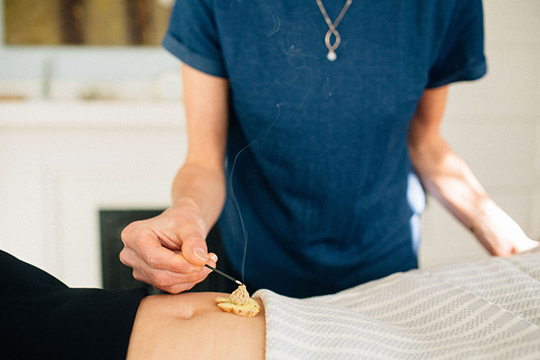
    Through the use of acupuncture (needling), moxibustion (heat therapy), diet and lifestyle recommendations, Chinese Medicine will help to support your reproductive cycle. It promotes or may help to establish rhythm if cycles are irregular, support regular ovulation, and optimal length for follicular and luteal phases. It will help support and prevent symptoms of estrogen dominance, low progesterone, support patients experiencing PMDD and reduce PMS symptoms. It will help to decrease adverse effects of symptoms from the medication, improve positive outcomes throughout a medicated cycle, ensure the uterine lining is thick and ready for implantation, improve blood flow to the uterus, decrease stress and anxiety, and support hormonal balance with or without ART methods involved.

    So, you may be thinking, what does treatment look like…

    We begin the initial visit with a very detailed intake no matter where you are in your journey, meeting you and your partner where you are at and developing a treatment plan tailored specifically for you. The treatment plan is always being monitored and adapted to your needs and in relation to where you are at in your menstrual cycle or where you are at in your ART journey. We include acupuncture treatments that are supporting each particular phase you are in. For example, in the menstrual phase the aim is to move blood, reduce pain and inflammation, clear heat, and support the body with any co-occurring symptoms which may develop. In the follicular phase the focus is on building yin, supporting follicular development, while the body does the hard work of preparing for ovulation and ensuring the lining is thickening and ready for implantation in the luteal phase. During ovulation we focus on the transition from the yin phase of the cycle to the yang phase of the cycle; we encourage more qi and blood flow to the reproductive organs at this time as well when so much is happening. During the luteal phase we encourage/build yang qi, progesterone, and help to support the body with calming the mind and reducing stress, and gentle movement and blood flow to the reproductive organs.

    Ginger

    Throughout this process we encourage you to consume foods that nourish your body and organs of digestion in Chinese medicine (spleen and stomach), foods that nourish the kidneys and the jing (or essence), and nourish blood. Often this looks like warm cooked foods that are anti-inflammatory, prioritizing bone broths, soups, stews, omega 3 rich foods, fermented foods, and limiting raw cold foods and avoiding greasy or fried foods. We examine what supplements are being taken and pare it down to focus on nutrients that support preconception health, reducing stress, and supporting a healthy pregnancy. This includes a prenatal vitamin that contains folate or folic acid, b vitamins, and minerals. Magnesium and B vitamins support stress and the nervous system. Nutrients to support a growing baby and brain health such as fish oil and choline, and vitamin D3 for hormone support and immune function. Focusing on getting as much as possible through food and nutrition first and then filling in gaps with supplements if needed.

    While Chinese Medicine and Western medicine view reproductive health through different lenses, it is incredibly helpful to apply the framework of Chinese Medicine over what is happening at a physiological level. This includes patterns that arise in your basal body temperature chart, how hormone imbalances may be impacting your individual cycle and body (ie what symptoms are showing up), any diagnosed medical conditions such as PCOS, POI,PMDD, and endometriosis to name a few. Symptoms and signs showing up throughout the cycle, and using a whole symptoms approach. We support the channels/vessels and organ systems involved and help restore balance in the body with gentle manipulation and support.

    If you’re interested in seeing how Chinese medicine can support your journey, we are here and would love to work with you on this incredible journey!

    Consultation with Kerry Goodwin

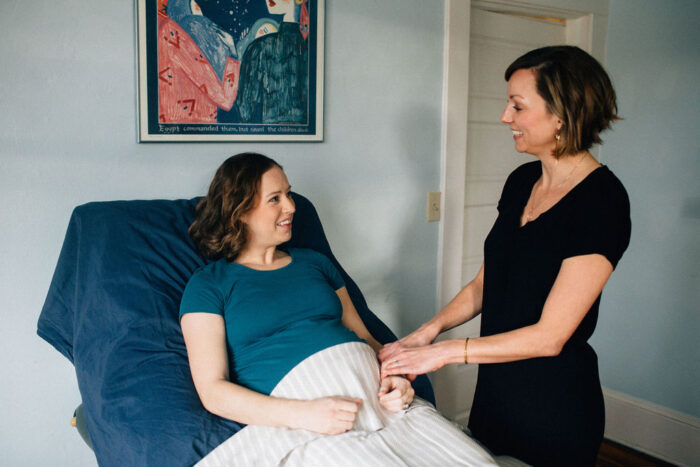
    Safety of Acupuncture in Pregnancy

    Are you a birth worker or healthcare provider working with antenatal and postnatal patients? Have you wondered if acupuncture can be a beneficial modality to safely recommend to your patients? With acupuncture, we have historical evidence in addition to well conducted studies and formal analysis to show its safe and effective use during pregnancy. Two systematic reviews show adverse reactions were described as minor, and were comparable to non-acupuncture therapies. Another key takeaway from a systematic review by Park et al assessing the safety states acupuncture during pregnancy is found to be safe when applied correctly. Education and training matters! It is imperative to find a provider that specializes in perinatal health with extensive training in providing maternity acupuncture.

    Additional reassurance is found in statements from ACOG and RCOG (American and Royal College of Obstetrics and Gynecology) where acupuncture is listed in their clinical guidelines as a safe modality in a variety of conditions during pregnancy.

    1. Park, J., Sohn, Y., White, A. R., & Lee, H. (2014). The safety of acupuncture during pregnancy: a systematic review. Acupunct Med, 32(3), 257-266. doi:10.1136/acupmed-2013-010480
    2. Clarkson CE, O’Mahony D, Jones DE. Adverse event reporting in studies of penetrating acupuncture during pregnancy: a systematic review. Acta Obstet Gynecol Scand. 2015;94(5):453–464. doi:10.1111/aogs.12587
    Breech Pregnancy

    Moxibustion As A Treatment for Breech Pregnancy

    Pregnancy is a long journey that brings joy and anticipation to the expecting parent. There are many milestones and hurdles along the way, one of which is understanding your baby’s position in the womb. Malposition in late pregnancy, such as breech (feet first), posterior (sunny side up), or transverse (sideways) can all lead to a lot of concerns and apprehensions as you are preparing for your baby’s arrival. Today’s discussion is about malposition and how East Asian Medicine can help optimize your baby’s position as you move closer to your due date.

    A breech pregnancy occurs when baby’s head is positioned upward in the uterus, rather than facing downwards toward the birth canal. While uncommon, it may reduce the chances for a vaginal birth. This positioning can increase the complexity of labor and delivery, potentially necessitating a cesarean section if baby does not turn into a head down position by 38 to 39 weeks. Certain medical interventions are available, most commonly an external cephalic version, or ECV. While a version can be successful, it can be painful and create unnecessary stress for the birthing person and it can be helpful to consider other methods prior to an ECV. It is also helpful to combine the use of East Asian Medicine prior to having an ECV. Other alternative methods to help optimize baby’s position are acupuncture and moxibustion (moxa), specific exercises and stretches in Spinning Babies, pelvic floor physical therapy, and the Webster technique performed by chiropractors. Oftentimes we recommend a combination of each of these to help give baby the best chance to shift position. Each of these alternative methods are non-invasive approaches to help turn baby into the optimal position for delivery. In this blog, we will explore how acupuncture can offer support during a breech pregnancy.

    Pregnancy can be accompanied by stress and anxiety, especially when you are being asked to shift your expectations and potentially change your birth plan upon discovering that your baby is not in a head down position. Acupuncture treatments are known to induce a sense of deep relaxation and tranquility, helping to provide a safe and calm space to process what you may be feeling while creating a more favorable environment for baby to adjust its position. Acupuncture also enhances the flow of Qi and blood in the body. When specific acupuncture points are targeted, it can gently encourage baby to move within the womb. By gently stimulating the uterus and surrounding tissues, acupuncture may facilitate baby in repositioning. Imbalances in the pelvic muscles and ligaments may also contribute to a breech presentation. Addressing these imbalances by targeting acupuncture points that correspond to the pelvis helps in softening tight muscles and encouraging proper alignment of the pelvis, creating more space for baby to turn head down.

    Moxibustion is another technique that has been shown to increase the chance that a breech baby will turn to the head down position. It involves using the dried herb Ai Ye, or mugwort, to indirectly warm UB-67, an acupuncture point on the toe, to stimulate the baby to move. It is recommended to begin between weeks 34-35, for a minimum 30 minutes a day for ten days (15 minutes on each side). This is something that can be self-administered and done at home. Your acupuncturist can provide you with the tools to do this safely.

    External cephalic version(ECV) is a medical procedure, and the most common intervention performed, to manually turn the baby from a breech position to a head-down position. Acupuncture can be used in conjunction with an ECV to improve its success rate and reduce discomfort during the procedure. Studies have shown that combining acupuncture with ECV may increase the likelihood of a successful version by 65%. However, it is important to keep in mind that these recommendations are only for uncomplicated pregnancies. If there are any complications such as abnormal amounts of amniotic fluid, fetal abnormalities, growth issues, vaginal bleeding, a bicornuate uterus, placenta previa, gestational diabetes, or hypertension, a different treatment plan may be needed. This is why it is of the utmost importance to consult your primary care physician and qualified acupuncturist prior to starting any form of treatment.

    Acupuncture’s non-invasive nature, along with the potential benefits of relaxation, fetal movement stimulation, pelvic alignment, and complementing medical interventions, make it an excellent option for expectant mothers seeking additional support. As with any complementary therapy, it is essential to consult a qualified acupuncturist and inform your healthcare provider before proceeding. With proper guidance and care, acupuncture may serve as a valuable tool in promoting a breech baby’s natural repositioning, contributing to a smoother and more fulfilling birth experience.

    If you would like to read more about the research surrounding moxa for breech care, head over to this link to read an exceptional article written by a fellow MAMPS graduate who is creating great work by reviewing up-to-date research on many important perinatal health topics.

    Can Acupuncture or Moxibustion (Moxa) Help with Turning a Breech Baby?

    Micro and Nano Needling: for Postpartum Women, Facial Rejuvenation, and Hair Regrowth

    Micro and Nano Needling

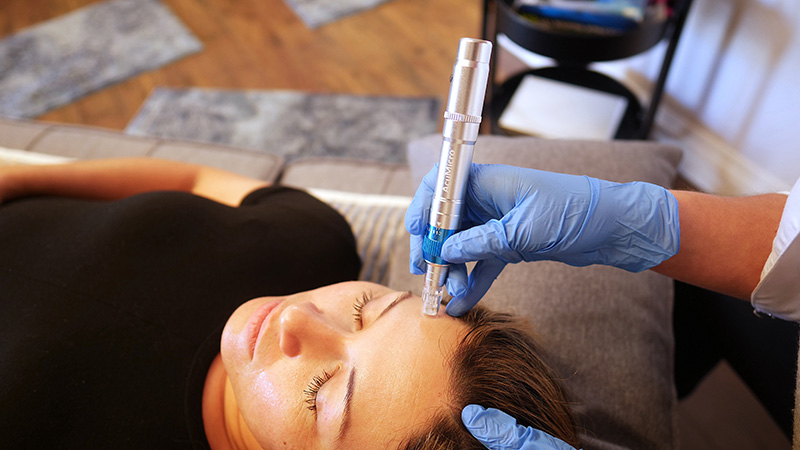
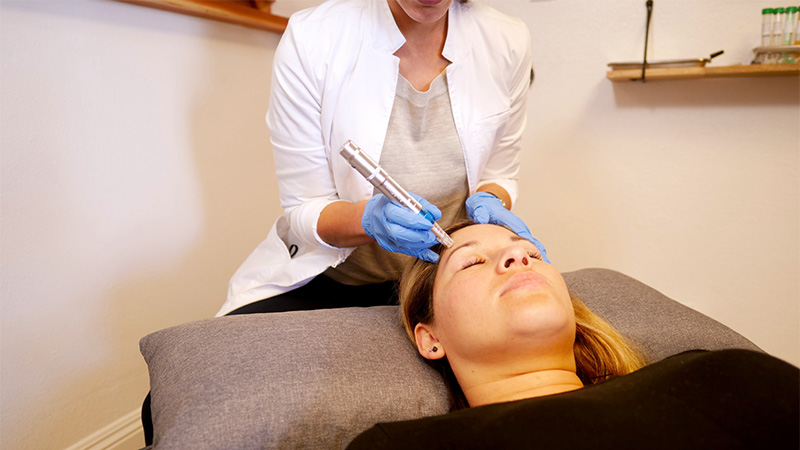
    Have you been curious about what micro and nano needling (also known as Collagen
    Induction Therapy) is all about? In recent years, micro and nano needling has emerged
    as a revolutionary technique in the field of aesthetics and skincare. This minimally
    invasive procedure involves the use of very fine needles to create tiny punctures in the
    skin, stimulating your body’s own collagen and elastin production and enhancing the
    absorption of natural topical serums. When added to an acupuncture treatment, they
    work together to improve the skin’s health by stimulating the skin to heal itself in
    addition to addressing underlying causes such as stress, lack of sleep, or an imbalance
    in the body. In this blog, we will explore the remarkable benefits of micro and nano
    needling for postpartum women, facial rejuvenation, and hair regrowth.

    The postpartum period can take a toll on a woman’s body, causing various skin-related
    issues. Uneven skin tone, or melasma is a common concern that many new mothers
    face along with c-section scars and stretch marks. Micro and nano needling can provide
    an effective solution. Hormonal changes can result in hyperpigmentation and uneven
    skin tone. Micro and nano needling promote cell turnover and stimulate the production
    of melanin-reducing enzymes. Over time, this leads to a more even complexion and a
    brighter, rejuvenated appearance.

    Facial rejuvenation is one of the primary applications of micro and nano needling. It
    offers a non-surgical alternative to combat common signs of aging, such as fine lines,
    wrinkles, and sagging skin. The controlled micro-injuries caused by the needling
    process activate the body’s natural wound healing response. This leads to increased
    collagen and elastin production, which helps fill in fine lines and wrinkles, resulting in a
    smoother and more youthful complexion.

    As we age, our skin gradually loses its elasticity, leading to sagging and laxity. Micro
    and nano needling stimulates the production of collagen and elastin, which improve skin
    firmness and tightness. The treatment also aids in the absorption of firming and
    tightening serums, maximizing the overall rejuvenation effect.

    Micro and Nano Needling

    Hair loss is a common concern for both men and women. Micro and nano needling not
    only promotes hair regrowth, but it also reduces hair thinning. The needling process
    stimulates blood circulation in the scalp, providing essential nutrients and oxygen to the
    hair follicles. This revitalizes dormant follicles and encourages hair regrowth. It also
    creates microchannels in the scalp, allowing topical hair growth solutions and serums to
    penetrate deeply. This enables the active ingredients to reach the hair follicles directly,
    promoting regrowth and improving hair density.

    Micro and nano needling has revolutionized the field of aesthetic treatments by offering
    a minimally invasive and effective solution for various skin and hair concerns faced by
    postpartum women. Whether it’s improving skin tone, achieving facial rejuvenation, or
    promoting hair regrowth, micro and nano needling provides remarkable benefits. When
    combined with acupuncture, both treatments work together to address both the
    underlying root cause of the imbalance in the skin as well as the symptoms it has
    produced. It is important to consult with a qualified professional to determine the
    suitability of the treatment and ensure personalized care for optimal results. With the
    help of micro and nano needling, postpartum women can regain their confidence and
    embrace their natural beauty.

    To find information about fees associated with micro and nano needling at our Asheville practice, visit our resources page.

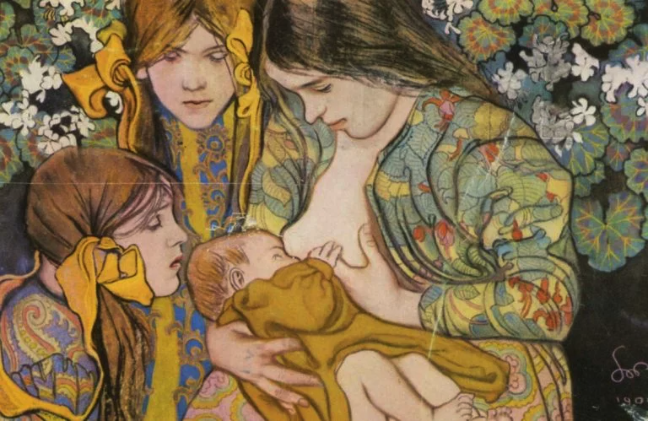
    Stanisław Wyspiański, Motherhood, 1905, National Museum in Krakow, Kraków, Poland. Detail.

    Your Journey Through Breastfeeding

    If you are currently or about to start breast/chestfeeding or pumping, it’s possible you may be experiencing a sense of overwhelm as you are navigating the steep learning curve these new skills entail. And the expectation that you “should’ be able to master these skills overnight can give you an extra nagging feeling of not measuring up.  Have you considered how acupuncture and herbal medicine can help with issues such as clogged ducts, mastitis, low milk supply, and techniques to help you along the way?  

     
    Everyone’s journey through feeding their baby will look different and there is no one single ‘right’ way. No doubt you have read books or articles about proper nutrition and feeding and have come up with your own individual plan or perhaps one has evolved through trial and error. Just remember, how you care for and feed your baby is a reflection of you and your family’s unique experience and story.  You are the author, and the story is still being written.  So, read on if you would like to learn some excellent ways you can prepare your body to ease you through the process.  

    Growing and birthing a baby takes an incredible toll on your body and many of your resources (qi and blood!) go to work to simply sustain your own maternal health.  So, it is essential to ensure your body has the added reserve of resources to produce milk. In Chinese Medicine theory, it is understood that milk is made from the blood.  It is critical to build and strongly nourish blood, both throughout your pregnancy and postpartum.  Qi helps keep blood flowing smoothly and ensures circulation is optimal, so we want to nourish and move qi as well in late pregnancy and postpartum.  Look over the list of foods suggested here and consider how you can incorporate as many as possible into your diet. Make a list and plan some menus. We suggest eating dark leafy greens, sea veggies, trace minerals, bone-in meats, or fish (always organic), grains including oats, millet, barley, and sweet rice.  Legumes are another great food source to nourish the blood and qi: *adzuki, chickpeas, lentils, mung beans, soybeans, *peanuts. Papaya (especially green), one daily if possible, would be excellent.  Sweet potato or Chinese yam, fennel and fennel seed will also increase the supply.  Add these herbs as you cook- basil, marjoram, dill, anise, caraway, turmeric.  Additional ideas include gelatin (from grass fed source), coconut water, and coconut meat.  It is also important to consume ample amounts of fluids by drinking 8-12 cups of water daily. Incorporating soups, stews, and porridges into your diet will also aid in fluid intake.  Herbal infusions are also beneficial during this time and some we love are nettles, red raspberry leaf (which supports the uterus after birth), mint rose, and barley.  We also need qi, or energy to express the milk so (good news!) slowing down and allowing yourself to rest will absolutely benefit lactation. 

    In the early days of breast/chestfeeding and pumping, sore nipples are a very common concern (not to mention, really painful!). It is important to find the cause, but there are some things you can do in the meantime to give yourself some relief. A warm soak with Epsom salts or warm compress is like a spa for painful nipples! You can dissolve half a teaspoon of sea salt or Epsom salts in eight ounces of warm water, place the solution in a glass, and invert onto your nipples for about two minutes, five to seven times a day, after pumping or nursing. This should be followed by applying a nipple butter, we like Earth Mama’s. It contains herbs such as calendula and mango seed that moisturize the skin and decrease inflammation. 

    Engorged breasts are also normal in the early days of starting breast/chestfeeding or pumping as your milk supply is establishing and increasing.  Nursing on baby’s cues and allowing baby to empty the breast before switching sides is helpful.   Making sure baby is nursing well will minimize engorgement too.  It is also essential to determine if there are any anatomical conditions present that may prevent baby from fully latching or from fully emptying the breast.  Previous breast enhancement, or reduction in mom can have an impact.  Your lactation specialist or pediatrician can help support you in addressing any anatomical issues that may arise.  Importantly, if engorgement is present and does not subside, be aware that it may lead to clogged ducts. A clogged duct may show up as a tender area on the breast, a milk blister, pain during let down, and relief after feeding. Teas that promote healing, pain relief, and circulation are chamomile, ginger, marshmallow root, slippery elm, and burdock which are all safe while breast/chestfeeding.  A warm Epsom salt soak quickly reduces swelling and inflammation to release the clogged duct. This can be done by mixing two teaspoons of Epsom salt into eight ounces of warm water and soaking the breast. There are also multiple acupuncture points that you can apply pressure to in order to address painful breasts such as Small Intestine 11, Small Intestine 1, Conception Vessel 17, and Pericardium 6 (locations can be found on acumeridianpoints.com). Please note: If your breast is red, if you have a fever or chills, body aches, or flu symptoms, contact your health care practitioner immediately.  Flu-like symptoms, in addition to redness and pain at the breast, may be mastitis which must be treated immediately and often requires medical treatment and medication. 

    There are many herbs that can help boost milk production. Ba Zhen Tang, or 8 treasure decoction is one of our very favorites to replenish blood, qi, and jing (our prenatal qi). These are vital to promote healing postpartum and address milk production. Motherlove’s More Milk Plus herbal blend contains fenugreek, thistle, nettle, and fennel seed to support milk supply along with the teas listed above.  There are multiple acupuncture points that you can apply pressure to stimulate milk production. These points include Gallbladder 21, Stomach 36, Small Intestine 1, and Conception Vessel 12.  And, finally, we hate to sound like a broken record, but we will because it is so important: drinking an abundance of fluids is essential and listen to the hunger cues; it can be helpful to remind yourself to eat each time you nurse or pump.   

    If you are nearing the end of your breast/chestfeeding journey and need to stop milk production, there are many herbs that can help. Sage, peppermint, and parsley leaves are all anti-galactagogues and make great teas for this purpose. 

    Breastfeeding and pumping are often a very challenging aspect of motherhood and so, along with the increased fluid intake, we insist that rest is also so very important during this time. And not just physically but for your mental health!  We know it is hard to get, especially when there are other children in the house. But sleep deprivation is a maddening cycle that leads to frustration which leads to… ah(!), you already know!!  If you are fortunate enough to have a strong community of friends and helpers, let them help! Accept all the help. Step out of your comfort zone and, dare we say it, ask for help! Get the rest! 

    Be encouraged that you are not alone. There are many resources available. And we are here to support you.  We hope you will put some of these suggestions and techniques into practice, little by little. Every moment of overcoming an issue you face leads to gaining greater confidence and assurance in your journey.

    Boost Your Immune System

    How is your immune system holding up this year? This cold and flu season started off particularly rough and hasn’t let up. If you have been able to ward off pathogens so far, keep up the good work, if not and if you’re looking to boost your immune function for the remainder of the flu and cold season consider adding in more ginger to your diet! One of my very favorite herbs to use in dietary and herbal therapy. It truly covers so many conditions- from acute or chronic pain, menstrual conditions, and immune function.  

    To boost immunity we are all familiar with the benefits of foods rich in vitamin C, elderberry, and garlic to prevent illness and shorten the duration of cold and flu once it’s hit.  But how often are you utilizing the power of ginger to boost your immune system?  

    The model of the immune system In Chinese medicine utilizes the concept of wei qi, or the protective qi. Conditions or illnesses we contract whether contagious or climate-induced are viewed as exterior or interior and depend on the strength of one’s constitution. If the wei qi is strong and abundant then we are able to ward off illness, if it is weak it becomes harder for the body to fight off infection. The weaker our constitution, the deeper the pathogen may penetrate and cause harm. Our wei qi is also in charge of warming and nourishing all the outer tissues, opening and closing the body’s pores, and defending external pathogens.  While there are many reasons our wei qi may become weakened or many reasons the immune system or constitution may become more vulnerable, there are always ways to boost the qi and blood to boost the constitution and in turn boost our immunity!  

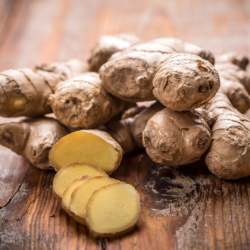
    Ginger is one of my favorite herbs to use for this! Not only because it can be taken in food form but also in supplement or in an herbal decoction or tea.  It’s warming, penetrating, drying, and depending on its preparation can be mild to very strong in its ability to warm the channels. It can also release wind in the body (wind is an external pathogenic factor). It boosts lung qi and enters the lung, spleen, and stomach channels.  Ginger also optimizes digestive function, alleviates spasms, (wind), reduces abdominal pain, and is an amazing pain reliever for body pain.

    If ginger makes a regular appearance in your grocery cart then you know the variety of uses it has in the kitchen. But if you’re new to using ginger root, here is a great congee recipe to support the organs of digestion and boost qi and blood to build up a strong constitution.  Enjoy!

    Improve Your IVF Success Rate with Chinese Medicine

    Are you preparing for an IVF cycle? Whether you’re just beginning the conversation with a reproductive endocrinologist at your fertility clinic or if you’ve already started stimulation medication, acupuncture can support you and improve your success rate. This can be a time of high stress and emotion, Chinese medicine can provide you with an extra level of support on many levels. Not only will acupuncture help to calm your mind during this time, it will also help increase your chance of conceiving, reduce adverse reactions to medications, and promote a healthy endometrial lining for implantation.  

    Maybe you’re wondering how exactly Chinese medicine can do this. Here are a few things that your practitioner is focusing on while supporting you and your partner during the IVF cycle. As a provider for many patients who have gone through IVF, we have a strong influence on the follicular microenvironment, egg quality, sperm quality, and endometrial lining.  We aim to improve the quality of blood and increase blood supply by providing oxygen and nutrients to the reproductive organs.  

    We help to improve ovarian function by regulating hormone levels, which impacts luteinizing hormone, testosterone, insulin, estrogen, and progesterone. We reduce cortisol output, our stress hormone to help calm the mind and calm the sympathetic nervous system. When our body is in a state of stress, or fight or flight, reproduction is not a priority. In fact, even with a medicated cycle or IVF, elevated stress hormones are associated with poor success or cycle cancellation. Acupuncture will also improve the mitochondria of the oocyte with certain Chinese herbs, or kidney yang tonics; and will improve the follicular environment by reducing inflammatory cytokines.  

    An ideal time frame to begin treatment with a Chinese Medicine practitioner is three months prior to beginning an IVF cycle, but even if you’ve already begun taking medication, acupuncture can make a difference! It is important to wait until you have experienced at least one cycle before combining IVF medication with Chinese herbs to know how your body will respond.

    If you’re interested in using Chinese medicine to help support you during an IVF cycle to promote conception I hope you reach out!  


    Your Cycle and Your Health

    Have you seen this recent article from the Guardian on why it’s unnecessary to have a period? I saw a post responding to this article on instagram recently and immediately pulled up the article; at first glance I was annoyed and frustrated that someone could write something so misleading and as I sat with it I felt sad and disappointed for all the women who would read it and take it to heart thinking it is no big deal or of no consequence that they are on hormonal birth control thinking it will either “fix” their condition or remove the inconvenience of bleeding. Of course we all have a right to our own opinion and I am not going to point fingers and tell others they are wrong for having beliefs that differ from my own. So I thought I would share my thoughts around the discussion.  

    Having a menstrual cycle is normal, beautiful, and part of human life. Without it none of us would be here and it is meant to be celebrated! I won’t say I jump for joy when I start my period each month but I do appreciate that I have healthy, regular cycles after working hard to regulate my cycle and treat my own hormonal imbalances. I love seeing periods becoming normalized, talked about, breaking down the walls, and shedding (no pun intended) light on the subject.  

    Like many women my age I grew up thinking having a period was gross and something to be ashamed of. I hated having my period and was put on oral and hormonal contraceptive at the young age of 15 to “control” my heavy bleeding and severely painful periods. I was unaware of the challenges and imbalances it would create for me and went on and off of it for most of my 20’s. It wasn’t until I was in my early 30’s that I began to realize how much I appreciated having a normal period and learned how to use my cycle to my advantage. (By the way, if you haven’t read Woman Code by Alissa Vitti, I recommend it.) Even though I still experience heavy and painful periods I know I am doing what I can to support my body without added and synthetic hormones.

    I’d like to address a few things that came up for me as I read the article referenced above.  Oral and hormonal contraceptives were introduced in the early 60’s as a way to prevent conception and control family size. In that time infertility was less common. Today, it is a whole other story. Now it is used to prevent conception, decrease unwanted menstrual symptoms and “treat” or “fix” diagnosed menstrual conditions. These menstrual conditions are serious and need to be seen as what they are, the body showing signs that need to be addressed, not covered up. These conditions often accompany severe symptoms that are debilitating for many women. These conditions show up in my office every day and often are the very things that prevent many of my patients from easily conceiving when they decide to stop taking their contraceptive after years of use. “The Pill” doesn’t fix the problem, it is only a bandaid. It also causes your ovaries to shrink, thins the lining of your uterus, and may worsen hormonal imbalance.  

    When we experience discomfort during our cycles, instead of reaching for something to cover up the pain, I encourage you to consider why those symptoms are there in the first place.  Here are a few examples: polycystic ovary syndrome, fibroids, ovarian cysts, endometriosis, dysfunctional uterine bleeding, amenorrhea, and premenstrual dysphoric disorder. These are just a few, but many are linked to larger health problems that should NEVER be ignored such as insulin resistance, thyroid problems, metabolic problems, cardiovascular problems, anemia, depression, anxiety, endocrine disruption, and hormonal imbalances. They each have their own complications and range from mild to severe that can be detrimental to fertility, carrying a health pregnancy, linked to cancer, and more.  

    So… yes it is nice to not bleed every month or experience PMS, but is the cost of convenience worth it? My answer is no. My hope is that by raising awareness around these conditions and normalizing menstrual cycles we can help future generations of women to celebrate their bodies and their cycles.

    Thyroid and Your Health

    Your thyroid health, fertility, a healthy pregnancy, and postpartum are deeply intertwined. And unfortunately, the detailed care and information we receive as women around this matter is lacking. I see this nearly everyday in my practice and have experienced this discrepancy first hand at my last well woman care visit when I received my blood work results from routine lab work. (if you’re interested in knowing what thyroid tests to ask for consider working with a provider that specializes in thyroid support). My low functioning thyroid was not even addressed by my physician after my visit, and I know I am not the only one this is happening to. The awareness around this is changing slowly and more and more providers are paying closer attention, but when it comes to our thyroid health we need to know what to ask for and how to receive proper treatment.  This starts with educating ourselves.  

    Women’s Health and Thyroid Function

    Did you know that “1 in 8 women will develop a thyroid problem at some point in their lives” and “15 million more women have a thyroid condition and don’t know it.” A healthy thyroid has a big job, tasks involve managing our temperature, metabolism, and hormonal balance to name a few. The rise in thyroid conditions is linked to a huge increase in endocrine disruption, stress, poor digestion (gut dysbiosis) or micronutrient deficiencies. The “normal” levels for a functioning thyroid are between .5 and 4.5 mU/L, but most women feel best if they land between 1.5 and 2 mU/L. And while these levels are somewhat controversial in the medical community, that is a pretty big difference between normal range and ideal range. 

    Understanding your Thyroid Health in the Childbearing Years

    It is also very important to know that if you are not trying to conceive, pregnant, or in postpartum, this still completely applies! Many women are dismissed and undertreated if they aren’t trying to conceive. This is a problem, because we all deserve to feel good and deserve to get the best care possible! It is also a problem because un-addressed thyroid conditions can lead to many other medical problems including pulmonary, cardiovascular, neurological, autoimmune, and digestive conditions.  

    Chinese Medicine and Your Thyroid

    Chinese medicine is very helpful in supporting thyroid health in conjunction with support from a western medical provider. Making necessary dietary and lifestyle changes can have a dramatic effect as well. Treatment must be a multi faceted approach. Underfunctioning thyroids may need pharmaceutical medication. I am not a pharma pusher but sometimes medication is needed in order to bring our bodies back into balance. If you are interested in learning more about thyroid health, curious about what a comprehensive thyroid panel includes, have just been diagnosed or suspect you may be suffering from a thyroid condition, please contact me to set up an appointment. You can begin to heal and feel your very best.  When we feel our best, we are able to share our gifts with the world and be our best selves.

    Resources

    American Thyroid Association

    Aviva Romm – Thyroid in Pregnancy: What you need to know