Improve Your IVF Success Rate with Chinese Medicine

Are you preparing for an IVF cycle? Whether you’re just beginning the conversation with a reproductive endocrinologist at your fertility clinic or if you’ve already started stimulation medication, acupuncture can support you and improve your success rate. This can be a time of high stress and emotion, Chinese medicine can provide you with an extra level of support on many levels. Not only will acupuncture help to calm your mind during this time, it will also help increase your chance of conceiving, reduce adverse reactions to medications, and promote a healthy endometrial lining for implantation.  

Maybe you’re wondering how exactly Chinese medicine can do this. Here are a few things that your practitioner is focusing on while supporting you and your partner during the IVF cycle. As a provider for many patients who have gone through IVF, we have a strong influence on the follicular microenvironment, egg quality, sperm quality, and endometrial lining.  We aim to improve the quality of blood and increase blood supply by providing oxygen and nutrients to the reproductive organs.  

We help to improve ovarian function by regulating hormone levels, which impacts luteinizing hormone, testosterone, insulin, estrogen, and progesterone. We reduce cortisol output, our stress hormone to help calm the mind and calm the sympathetic nervous system. When our body is in a state of stress, or fight or flight, reproduction is not a priority. In fact, even with a medicated cycle or IVF, elevated stress hormones are associated with poor success or cycle cancellation. Acupuncture will also improve the mitochondria of the oocyte with certain Chinese herbs, or kidney yang tonics; and will improve the follicular environment by reducing inflammatory cytokines.  

An ideal time frame to begin treatment with a Chinese Medicine practitioner is three months prior to beginning an IVF cycle, but even if you’ve already begun taking medication, acupuncture can make a difference! It is important to wait until you have experienced at least one cycle before combining IVF medication with Chinese herbs to know how your body will respond.

If you’re interested in using Chinese medicine to help support you during an IVF cycle to promote conception I hope you reach out!  


Your Cycle and Your Health

Have you seen this recent article from the Guardian on why it’s unnecessary to have a period? I saw a post responding to this article on instagram recently and immediately pulled up the article; at first glance I was annoyed and frustrated that someone could write something so misleading and as I sat with it I felt sad and disappointed for all the women who would read it and take it to heart thinking it is no big deal or of no consequence that they are on hormonal birth control thinking it will either “fix” their condition or remove the inconvenience of bleeding. Of course we all have a right to our own opinion and I am not going to point fingers and tell others they are wrong for having beliefs that differ from my own. So I thought I would share my thoughts around the discussion.  

Having a menstrual cycle is normal, beautiful, and part of human life. Without it none of us would be here and it is meant to be celebrated! I won’t say I jump for joy when I start my period each month but I do appreciate that I have healthy, regular cycles after working hard to regulate my cycle and treat my own hormonal imbalances. I love seeing periods becoming normalized, talked about, breaking down the walls, and shedding (no pun intended) light on the subject.  

Like many women my age I grew up thinking having a period was gross and something to be ashamed of. I hated having my period and was put on oral and hormonal contraceptive at the young age of 15 to “control” my heavy bleeding and severely painful periods. I was unaware of the challenges and imbalances it would create for me and went on and off of it for most of my 20’s. It wasn’t until I was in my early 30’s that I began to realize how much I appreciated having a normal period and learned how to use my cycle to my advantage. (By the way, if you haven’t read Woman Code by Alissa Vitti, I recommend it.) Even though I still experience heavy and painful periods I know I am doing what I can to support my body without added and synthetic hormones.

I’d like to address a few things that came up for me as I read the article referenced above.  Oral and hormonal contraceptives were introduced in the early 60’s as a way to prevent conception and control family size. In that time infertility was less common. Today, it is a whole other story. Now it is used to prevent conception, decrease unwanted menstrual symptoms and “treat” or “fix” diagnosed menstrual conditions. These menstrual conditions are serious and need to be seen as what they are, the body showing signs that need to be addressed, not covered up. These conditions often accompany severe symptoms that are debilitating for many women. These conditions show up in my office every day and often are the very things that prevent many of my patients from easily conceiving when they decide to stop taking their contraceptive after years of use. “The Pill” doesn’t fix the problem, it is only a bandaid. It also causes your ovaries to shrink, thins the lining of your uterus, and may worsen hormonal imbalance.  

When we experience discomfort during our cycles, instead of reaching for something to cover up the pain, I encourage you to consider why those symptoms are there in the first place.  Here are a few examples: polycystic ovary syndrome, fibroids, ovarian cysts, endometriosis, dysfunctional uterine bleeding, amenorrhea, and premenstrual dysphoric disorder. These are just a few, but many are linked to larger health problems that should NEVER be ignored such as insulin resistance, thyroid problems, metabolic problems, cardiovascular problems, anemia, depression, anxiety, endocrine disruption, and hormonal imbalances. They each have their own complications and range from mild to severe that can be detrimental to fertility, carrying a health pregnancy, linked to cancer, and more.  

So… yes it is nice to not bleed every month or experience PMS, but is the cost of convenience worth it? My answer is no. My hope is that by raising awareness around these conditions and normalizing menstrual cycles we can help future generations of women to celebrate their bodies and their cycles.

Thyroid and Your Health

Your thyroid health, fertility, a healthy pregnancy, and postpartum are deeply intertwined. And unfortunately, the detailed care and information we receive as women around this matter is lacking. I see this nearly everyday in my practice and have experienced this discrepancy first hand at my last well woman care visit when I received my blood work results from routine lab work. (if you’re interested in knowing what thyroid tests to ask for consider working with a provider that specializes in thyroid support). My low functioning thyroid was not even addressed by my physician after my visit, and I know I am not the only one this is happening to. The awareness around this is changing slowly and more and more providers are paying closer attention, but when it comes to our thyroid health we need to know what to ask for and how to receive proper treatment.  This starts with educating ourselves.  

Women’s Health and Thyroid Function

Did you know that “1 in 8 women will develop a thyroid problem at some point in their lives” and “15 million more women have a thyroid condition and don’t know it.” A healthy thyroid has a big job, tasks involve managing our temperature, metabolism, and hormonal balance to name a few. The rise in thyroid conditions is linked to a huge increase in endocrine disruption, stress, poor digestion (gut dysbiosis) or micronutrient deficiencies. The “normal” levels for a functioning thyroid are between .5 and 4.5 mU/L, but most women feel best if they land between 1.5 and 2 mU/L. And while these levels are somewhat controversial in the medical community, that is a pretty big difference between normal range and ideal range. 

Understanding your Thyroid Health in the Childbearing Years

It is also very important to know that if you are not trying to conceive, pregnant, or in postpartum, this still completely applies! Many women are dismissed and undertreated if they aren’t trying to conceive. This is a problem, because we all deserve to feel good and deserve to get the best care possible! It is also a problem because un-addressed thyroid conditions can lead to many other medical problems including pulmonary, cardiovascular, neurological, autoimmune, and digestive conditions.  

Chinese Medicine and Your Thyroid

Chinese medicine is very helpful in supporting thyroid health in conjunction with support from a western medical provider. Making necessary dietary and lifestyle changes can have a dramatic effect as well. Treatment must be a multi faceted approach. Underfunctioning thyroids may need pharmaceutical medication. I am not a pharma pusher but sometimes medication is needed in order to bring our bodies back into balance. If you are interested in learning more about thyroid health, curious about what a comprehensive thyroid panel includes, have just been diagnosed or suspect you may be suffering from a thyroid condition, please contact me to set up an appointment. You can begin to heal and feel your very best.  When we feel our best, we are able to share our gifts with the world and be our best selves.

Resources

American Thyroid Association

Aviva Romm – Thyroid in Pregnancy: What you need to know

Foods to Optimize Fertility

Foods to optimize fertility

Balanced blood sugar is the foundation of hormonal balance and the first step in optimizing fertility. It starts with what and how we eat – every single day. We also know that to optimize our fertility we need to minimize stress. By ‘stress’ we are not talking just about everyday stressors like driving in heavy traffic or running late to catch a flight; it is any perceived stress your body experiences (such as mismanaged blood sugar). Nowadays this can occur daily, sending our bodies into overdrive and keeping us in fight/flight/freeze mode. When we are under stress our body puts reproduction and digestion on the back burner in order to direct all resources toward survival.  

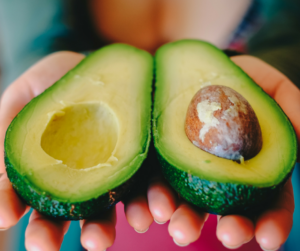
What foods best support your fertility? Ideally, most of the foods we consume should be organic as well as pesticide and chemical free and in their whole and unprocessed form. If all organic is cost prohibitive you can  focus on keeping the ‘dirty dozen’ organic, as well as 100% organic meat, eggs and full fat dairy. You can check the Environmental Working Group for an updated list of the Clean Fifteen and the Dirty Dozen. To support our body in making hormones we want to eat lots of omega rich foods such as avocados (the fertility superfood), wild-caught salmon, pastured organic eggs, walnuts, almonds, sunflower seeds, flax seeds, coconut, and olive oil.  Focus on foods rich in antioxidants and beta carotene like dark leafy greens, blueberries, raspberries, blackberries, red grapes, yellow and orange vegetables like carrots, squash, sweet potatoes. These will provide lots of nutrients our bodies need. Cruciferous vegetables are full of fiber and contain DIM to help with estrogen metabolism. They also protect our bodies from harmful chemicals. For men lycopene-rich foods like tomatoes help to support sperm count and eating a diet rich in antioxidants will help with sperm motility and morphology.

If you are trying to conceive it is helpful to eat as if you are pregnant. This means focusing on warm cooked foods, lots of broth such as bone broth soups and consuming warm or room temperature beverages. It is also important to stay hydrated. This also means ditch the caffeine, coffee can negatively impact fertility and studies have shown that if you’re undergoing IVF it can reduce your success rate by as much as 50%. Even though green tea seems like a healthy choice since it is high in antioxidants it can actually decrease blood flow to the uterus. That is something we definitely don’t want for conception!

For balanced blood sugar the Mediterranean diet has been found to be the most supportive.  This focuses on healthy fats, lean proteins, nuts, seeds, and lots of fresh veggies. Here the slow burning carbohydrates keep your blood sugar stable and prevent the crash and burn you can experience from sugar laden products.  

To ensure our microbiome is running smoothly focus on probiotic rich foods such as sauerkraut, kimchi, yogurt, or kefir. A healthy microbiome will ensure the estrobolome works well, helping your body metabolize and get rid of excess estrogen through phase 1 and 2 detoxification. Many studies have shown that if you’re trying to conceive, eating full fat dairy is beneficial.

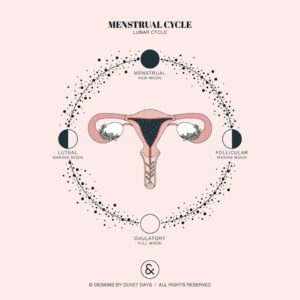
If you want to take this a step further you may consider eating for each phase of your cycle to support hormones throughout your menstrual cycle. During menses you will want to eat more blood building foods such as dark berries, beets, mushrooms, black sesame seeds, kidney and black beans, and sea vegetables as well as lean proteins. During the follicular phase and ovulation phase focus will be on egg development and building a good endometrial lining to support a strong and successful implantation. This is the time to eat more raw vegetables to support estrogen metabolism. During the luteal phase you may notice you feel more hungry, this is because your body has a lower resting blood sugar rate.  Here the need for more slow burning carbohydrates increases and foods such as sweet potatoes, root vegetables, brown rice, and quinoa are optimal choices. These slow burning carbs will help to boost progesterone production which is necessary for a healthy pregnancy.

If you are looking for more support consider working with a fertility specialist!

Chinese Medicine and Anxiety

Springtime is the season of renewal; it is also a time of transition. These transitions can often cause some unwanted anxiety to pop up in our lives. My favorite way to ease this anxiety is through the use of acupuncture and herbal medicine.  

Symptoms of Anxiety

If you have ever struggled with anxiety, you know it can be debilitating in so many ways. Your heart starts pounding, you feel sweaty or clammy, you may feel a tightness in your abdomen, you take short shallow breaths, you feel as though you can’t think straight, the list goes on and on. It can manifest differently for all of us, but when it comes to treatment, the focus is very similar. It begins by calming the sympathetic nervous system, the flight or fight mode.  The sympathetic nervous system often can feel like it is in overdrive when anxiety peaks or stays elevated during times of stress. It operates through a series of interconnected neurons. When activated it will respond to a stimuli by secreting adrenaline (norepinephrine) and will dilate your pupils for increased peripheral vision, raise your blood pressure and increase your heart rate by allowing more blood to flow through your body more efficiently so you can move faster. This system puts all digestion and reproductive function on hold until you’re out of danger. This is one of the reasons why chronic stress can negatively impact fertility.

This can be helpful in an emergency situation, but often our sympathetic nervous system stays ramped up due to our busy and lifestyles. This overdrive can create massive problems for our adrenals and stress response which will in turn create more anxiety or a lower threshold for that anxiety to take hold.

Chinese Medicine and Anxiety

Chinese medicine views anxiety disorders as an imbalance in the zang (or yin) organs; this includes the heart, lung, spleen, liver, and kidney. When out of balance our spirit, or shen, can become disturbed. This can impact our stress, sleep, and create anxiety. Each zang organ is related to different emotions. When out of balance the heart organ is connected to anxiety and sadness, the liver is connected to anger, the spleen is connected to worry, the kidney to fear, and the lung to grief. These imbalances can be further classified by how the qi of that organ is functioning or affected. Acupuncture and herbs will help to restore these imbalances and support the spirit to reduce the anxiety and calm the sympathetic nervous system.

Acupuncture for Anxiety

My favorite points to use for anxiety include pericardium 6 and heart 7, both of which are located on the interior part of the wrist. San Jiao 5, located on the opposite side of the wrist, kidney 6 located on the interior part of the ankle below the ankle bone, governing vessel 20 located at the top of the head, and lastly yin tang, an extra point located in between the eyes.  If you have ever had a treatment from me you have likely had one of these points needled at any given treatment. I also find the use of Chinese and western herbs to be very helpful in the treatment of anxiety. Some of my favorites are adaptogenic herbs like ashwaganda, ren shen (ginseng), holy basil, shatavari, or Chinese herbal formulas that support the zang organs listed above.

If you’re experiencing anxiety and have tried multiple treatments that haven’t offered support, I strongly urge you to try Chinese medicine!


Leaky Gut Protocol

In my last blog I wrote about my intentions for the new year starting with following a leaky gut protocol during the month of January. I promised to share with you my experience and findings. It’s hard to believe January is already over but I can say that my trial with the leaky gut protocol is far from over. First I’ll begin by telling you a little bit more about what a leaky gut is, why it is important, the “rules” around healing it, and then how I went about it and my experience.

If you have been online at all the last couple years or walked inside a grocery store you will have noticed that there is a lot of information and many products touting the importance of gut health and our microbiome. There is a strong connection between our gut health and our mental health and also a strong connection between a weak microbiome and disease. Our gut flora supports our immune function, hormones, detoxification, and mental well being. And the intestinal lining is a protective barrier that allows our food and drink to stay in the bounds of the digestive tract… usually. That is unless it becomes weakened and develops gaps in the tight junctions between the cells allowing foods, medications, and bacteria to enter the bloodstream. The body recognizes these intruders as foreign invaders and the flags go up. It responds by creating antibodies to deal with these intruders.  

What Causes Leaky Gut?

A leaky gut can come from many different things, but most commonly a poor diet, stress, or antibiotic overuse (or improper use) are the culprits. And a weakness in the lining can cause digestive disturbances, food sensitivities, inflammation, and chronic disease.   Symptoms include digestive discomfort like gas, bloating, abdominal pain, diarrhea, constipation, or IBS and SIBO. Other ways to know if you may suffer from a leaky gut is seasonal allergies, sensitivities to mold and dust, known food intolerances or sensitivities, fatigue, skin conditions, autoimmune conditions, anxiety and/or depression, yeast overgrowth, joint pain, poor concentration and memory.  

Leaky Gut Protocol

Now if you have worked with a naturopath or functional medicine practitioner they will tackle this and help you to heal with the 4 R approach. Remove, replace, reinoculate, and repair. This can also be seen as following a leaky gut protocol. I am being very careful NOT to use the word diet here. That is because I hate the word diet, it has a very negative connotation and the goal of the protocol is to heal and support your microbiome so that you can improve your immune function and be able to digest and process offending foods in the future. That doesn’t mean you can go back to eating pizza and french fries, but instead be able to tolerate the occasional treat of a Friday night pizza and beer without feeling like you need to chain yourself to your bathroom toilet the next day. Not only will you be able to digest food better, you will have more energy and feel better each day!

So here is how it goes:

Remove – take out the offending foods or follow an elimination diet for two weeks.

Replace – take digestive enzymes and bitters prior to meals to help digest foods more efficiently. Some may also need to take a Betaine HCI supplement as well.

Reinoculate – add a probiotic with at least 50 billion CFU’s in each dose and fermented foods at each meal.

Repair – add other supplements to help heal the intestinal lining. These can include some of the following: aloe vera, l-glutamine, marshmallow root, turmeric, and DGL licorice, then adding supplements like zinc, fish oil, and antioxidants.

*Some people find it helpful to add in antimicrobial herbs during the remove phase to help combat the yeast and bad bacteria.  

In addition to this many practitioners will encourage patients to eat plenty of foods that are known to help heal and seal the gut like healthy fats (coconut, salmon, olive oil), buckwheat, sweet potatoes, squash, blueberries, bone broth, fermented foods like kefir, suakraut, and miso.

My Experience Following the Leaky Gut Protocol

If you want to hear about my experience, please keep reading, but if you aren’t into the personal anecdotes then go ahead and close this tab. It is important to note that I took this on by myself without the direction of practitioner and I am by no means an expert on this protocol. However, as a Chinese medicine practitioner, I work very closely with patients to help heal and improve digestive function everyday through the use of acupuncture, diet and lifestyle recommendations, supplementation, and Chinese herbs.

In a lot of my research I found that there are many variations on this protocol and that some include foods that others say are not allowed. I also strongly believe in listening to your intuition and doing what feels right to you. You know your body better than anyone else. I also found that the timeline of this protocol varies, from four weeks to six months!  Now that is a big difference! After this month, I fall into the latter camp, and will be doing this for six months likely. Part of this reason is that life is busy and following something 100% of the time is not a reasonable expectation and there is no such thing as perfection. I found that my willpower to avoid all chocolate, cheese, and wine for a month was lacking. It is also important to know that I have struggled with digestive problems since I was a small child and have been working most of my adult life to heal my digestion.

What I Ate

I focused on eating lots of the foods that help to support the gut and kept it pretty simple overall when it came to breakfast and lunch. Mostly eating the same thing each day with minor variations (which is not recommended for long periods of time due to its restrictive nature and lacking in all the necessary nutrients our bodies need). I cut out grains, dairy, sugar, nuts except for walnuts, soy, nightshades, beans, alcohol, and caffeine. I added lots of fermented foods, flax meal, coconut, dark leafy greens, raw buckwheat groats, and extra protein to help keep me satiated along with the gut healing foods I mentioned above. I was not 100% compliant especially when it came to the weekends. I also made sure to add in plenty of slow burning carbohydrates like sweet potatoes and squash two meals a day during my luteal phase (approximately day 17 to 30) when I needed to support my hormonal balance to build adequate progesterone. Luckily it’s soup season so many nights I made a large pot of soup with homemade bone broth from grass fed cows. For beverages I had dandelion tea, occasional decaf coffee (I don’t consume caffeine anyway so this area was not difficult), and kombucha or water with cucumber or fruit added in for flare.

Supplements

My supplement regimen included digestive enzymes and bitters before each meal, a good probiotic in the morning, l-glutamine, flax, and collagen powder in a smoothie. I occasional drank pau d’arco tea at night for its antimicrobial effect, ashwaganda for adaptogens, and continued my regular regimen of supplements for general well-being. I also continued a supplement for liver and GI tract support for optimal elimination. I also continued my regular acupuncture appointments, took extra time to rest, more epsom salt baths, and gave myself mini acupuncture treatments when I had a short break between patients.

How I Felt And What I Learned

Initially I felt worse than I did before and was pretty disappointed but then began to feel better by the end of week three, this of course corresponded with me thinking I could add in some goat cheese, tomatoes, and chocolate before I was ready and felt the backlash of this decision immediately. On a positive note I now experience way less bloating after meals, more regular bowel movements, great sleep, less headaches upon waking, have eaten my weight in kale salads, less rosacea and flushing after meals, and have a better idea of what doesn’t agree with me. But I also realize my journey is still in the very initial stages and that I plan to continue this way of eating for several months to reap the benefits and truly help to heal my microbiome and intestinal lining. I also found that my stress and anxiety has a direct correlation on my digestion and by moving a little slower, taking more “me” time, and being gentle with myself goes a long way. And I have found that this is way too many supplements even for me. I’ve always loved trying out different herbs and supplements to see how my body responded, but in this case, less is more.

I encourage you to check in with yourself and how smoothly your digestion is running to see if this resonates with you. I would love to hear your experience!

 

Intentions and Resolutions

As we embark on the new year we all want to make a fresh start, many times this shows up as diets, cleanses, and giving things up. A fresh start is something I love about January; it feels like a beautiful, clean slate to work with. Many of us begin to make our resolutions, which feels good at first. It is a bit like falling in love – we pick a grand idea and romanticize it, we get a big boost of dopamine and can’t wait to dive in. But at a certain point we see things a little more clearly and that lovely romance wears thin, usually in March.  

For such a very goal-oriented individual it might surprise you to learn I have always been terrible at resolutions and never seem able to make one stick. Maybe you feel the same? I didn’t realize until the last few years why this did not work for me. It’s because making a huge change in one night is not enough to help anyone succeed at something. I’m not all of a sudden going to wake up and feel completely different and have amazing will power the next day. This fantasy also evokes a lot of self criticism and failure when we don’t succeed, things none of us wants to feel.  

This year I encourage you to consider your resolution as an intention and to give it present tense, something that you are visualizing yourself succeeding at already. I hope to avoid the trap of self criticism, relax my perfectionism tendencies and stop seeking validation through my goals. When you set your intentions, they are for you and you alone. They won’t make you better a better person, because you’re perfect right now. They won’t make you more valuable, because you have more than enough value right now. And they won’t make you more beautiful in the eyes of others, because you are already beautiful.

You may have seen that I will be making 12 microintentions, these will each be a month long and focused on adding to my life (not taking away) and supportive for my body and the environment. This month I am following the leaky gut protocol to support my digestion. Stay tuned for next month’s blog on what it means to follow a leaky gut protocol and my progress. Happy New Year!


Protect Your Eyes and Body From Blue Light

Have you been spending more evenings in front of the tv streaming ALL the Christmas movies? I know I have been watching more of my favorites lately! Unfortunately more screen time after a full days work of looking at a computer screen has left me very exposed to extra unnecessary blue light. When we think about our health, we think mostly about what we are putting in our bodies, stress level, and exercising and think less about the electromagnetic fields we come into contact with daily. These EMF’s can have powerful impacts on our health as well and should not be underestimated.

What is Blue Light?

So what exactly is blue light? Blue light is a color in the “visible light spectrum” that can be seen by the human eye, it is one of the shortest and highest energy wavelengths. Even though blue light is from multiple sources, including the sun, there is a big difference between natural and artificial blue light. It even has some positive benefits like elevating your mood, boosting your energy, help to regulate your sleep and wake cycles, and increase your sense of well being. However, it can also have many negative impacts like disrupting our sleep cycles when we are exposed to it late into the night (ie late night netflix binge), lead to eye strain, headache, difficulty focusing, and poor sleep or insomnia. Prolonged exposure can even cause retinol damage, age related macular degeneration, and even vision loss. Those are some pretty serious side effects!

How Can I Protect Myself from Blue Light?

So how much is too much and how can you protect yourself from the nasty effects. Limiting your screen time to two hour increments may be helpful, additional hours beyond that may lead to negative side effects. If your job requires you to spend lots of time staring at a screen, make sure to take frequent breaks. Other helpful ideas include reminding yourself to blink more often (staring at a computer screen will decrease how often you blink leading to dry eyes), wear blue light blocking glasses, (another great gift idea!), clean your screen often to reduce glare and eyestrain, set a screen curfew each night at least an hour before bed to limit night time exposure.  

I have noticed significant improvements when I wear my blue light blocking glasses to protect my eyes, reduce mental fatigue and eyestrain, and support deeper sleep. They are very affordable on amazon and come in many colors for men and women.  

To learn more check out this link!


Tracking Your Fertile Days

A guide to basal body temperatures, ovulation predictor test kits, and cervical fluid.

I get asked a lot of questions in my practice when working with patients to optimize their fertility. For example:

How come my basal body temperature chart does not line up with my increase in cervical fluid and a positive ovulation predictor test kit (OPK for short).”

 Or, “I don’t know when or if I’m ovulating so how can I possibly know when the right time to have intercourse is.”  

Or, “My cervical fluid changes and my temperature rises several days before I get a positive OPK.”  

You can see where I am going with this. It can be really tricky to determine when is the best time to conceive! The first step in the process is really getting to know your body. We are going to do a deep dive into how to properly read and assess your cervical fluid, basal body temperature chart, and your OPK and most importantly when is the best time to conceive.

What is an Ovulation Predictor Test Kit?

First it’s helpful to understand exactly what is an ovulation predictor test kit. This test will help determine when ovulation may be approaching. It measures the amount of luteinizing hormone, or LH, in the urine towards the end of the follicular phase. LH is is produced in the pituitary as the dominant follicle ripens, LH surges right before the egg is released. The OPK is best used between the hours of 10 a.m. and 8 p.m. and not using the first morning urine.  It’s also helpful to make sure you do not drink too much water beforehand as it will dilute the LH. Once you have a positive OPK you will likely ovulate within 12 to 48 hours. It is helpful to use the OPK in conjunction with the BBT (basal body temperature) especially if cervical mucus is not very strong.

What is your Basal Body Temperature or BBT?

Basal body temperature or BBT chart records the temperature of the body upon waking, a time when the body is deeply rested and metabolism and temperature is at its baseline. The temperature will begin to rise once a woman has ovulated and begins to produce progesterone. Historically, the BBT started in the Catholic religion in menstrual charting to detect the body’s rhythm. It’s helpful to have at least three months of temperature charts to see the consecutive changes in the temperature so you can see when the rise is occurring to track ovulation. All you need to take your BBT is a digital thermometer and a piece of paper, however now there are many great apps that you fill in your temp daily to see your monthly pattern. There are also trackers, like the Ava bracelet, that will do all the work for you. The temperature should be taken first thing in the morning before doing anything else. Note that temps are very sensitive to poor sleep, alcohol, and stress and will impact the temp each day. Temps will be most accurate when you have had three to four hours of consecutive sleep.

It’s important to note that BBT’s do not predict ovulation, they can only tell you that ovulation has already occurred. OPK’s will help you predict that ovulation will occur within the window of 12 to 48 hours. It is also helpful to know that hormone levels are constantly changing and LH can vary woman to woman in how long it remains at its peak. Some women experience mini-surges of LH prior to ovulation and some women don’t produce enough to be detected on the OPK but are still ovulating. Remember when I said to use the OPK it later in the day? This is because LH begins to rise in the morning so it will not be as strong as it is at 2 p.m., and the time your LH surges may vary. In some women it may last less than 24 hours.  if you’re only testing one time per day at 2 p.m. but the peak is occurring at 7 p.m., you will miss it. This is why it is important to test up to three times per day if you suspect you will be ovulating soon.

What is cervical mucus and how to I determine it’s quality?

Cervical mucus is another helpful sign to determine when ovulation is approaching.  Observing this will help you learn more about your body and when conception can take place.  There are four types of cervical mucus, G, L, S, and P. When estrogen peaks, it stimulates the production of cervical mucus, generally starting six days before ovulation. During the “dry” times of your cycle, when there is little moisture or fluid being produced from the vagina fertility is lower. This is when G type is present, it is impenetrable by sperm. As you approach ovulation, more liquid is produced moving from G to L type when the discharge will be more sticky and wet and finally to stretchy and slippery or egg white (S type). The S type mixes with the L type to make spinnbarkeit, or spinn. Next the mucus loses its stretch as the cervix produces P type that is very lubricative and slippery to aid the sperm during the most fertile day. It is helpful to recognize the changes in the fertile mucus because it precedes ovulation and can help you determine your most fertile days. The last day of cervical mucus is the peak day or best time for conceiving as it is the day of or day before the egg is released. Cervical fluids job is to help get the sperm inside the reproductive tract before the egg is released showing that the best time for intercourse is two days before ovulation.

A few final things to keep in mind. Previous birth control use may impair cervical mucus causing the body to only produce G type stopping the sperm from making it through the cervix despite ovulation occurring. Many medications can inhibit fertilization, this includes antibiotics, NSAIDs, antidepressants, antihistamines, and clomid.

How does Chinese Medicine fit in with tracking your fertility?

As an acupuncturist one of our greatest strengths is to see what is happening inside the body by watching or feeling what is happening on the outside of the body. This is done through taking pulse, looking at your tongue, a detailed intake, and palpation. In fertility, we look closely at the change in temperature throughout the whole cycle, not just during ovulation. We also discuss the cervical mucus, any symptoms that arise before menses and then what is happening during a woman’s bleed. All of these signs together can give us detailed information on how the body is performing and what may be happening hormonally. It is for this reason that the BBT will mean more to a Chinese medicine practitioner than to a Western specialist.  

Chinese medicine is also very beneficial to help encourage the body’s production of cervical mucus by nourishing blood and yin in the first half of the cycle (day 3 to 14) and by boosting yang in the second half (day 15 to the start of the period). If the cycles are irregular, it can also help to bring the cycle back to the optimal length of 26 to 33 days and can help regulate the temperature. When the temperature is too high or too low, it is a sign that something is out of balance. It will also detect what may be happening if either the follicular or luteal phase is to short or too long. If the follicular phase is too short, it is likely that the egg is unable to fully develop and if the luteal phase is too short it is likely there is insufficient progesterone to support a pregnancy. This can be treated by acupuncture and herbal medicine. Your practitioner will support you by treating you according to your cycle and recommending specific lifestyle and dietary changes as well as Chinese and western herbs to regulate the cycle and optimize fertility.  

I hope this guide helps you better determine how to track ovulation during your cycle!

Resource:

Lyttleton, Jane. Treatment of Infertility with Chinese Medicine. Churchill Livingstone/Elsevier, 2013.


Thriving In the Postpartum Phase

The first few months following the birth of your beautiful baby hold many new experiences and changes. You spend the whole length of your pregnancy taking great care of your body to prepare yourself for labor and delivery then once the baby comes, it seems as though there is little to no time to think about self care and your own well being. While taking care of your new baby is, of course, the first priority, it is also important to consider how these first few months will affect the next several years and any future pregnancies.

Chinese Practice of “Sitting-In”

In Chinese culture many women practice “sitting” for the first month of pregnancy, this is known as zuo yue zi. The family provides support, including cooking, cleaning, and assisting with daily chores and activities. The mother rests. Doesn’t that sound refreshing? She avoids strenuous exercise and activities and eats a diet rich in protein. Not only does this support her qi and blood and restores her body, she experiences the added benefit of close bonding with her baby. Many women who try this or a modified version of it, find that it reduces postpartum symptoms and allows them to be more energetic throughout the years which follow. This model also supports the postpartum phase of their next pregnancy, leaving their bodies strong and healthy.

Whole-Body Healing

Making time for yourself during this phase will revitalize you: mind, body, and spirit. You will find yourself help more present and attentive to your baby. Regular acupuncture and postnatal massage visits are a great way to support this initial recovery. Following are just some of the benefits: reduced stress, balanced hormones, better milk production, decreased postpartum anxiety and depression, better sleep, decreased muscle spasms, pain and tension, fewer night sweats, and more thorough healing of scar tissue.

Mother Warming

Acupuncture also uses a technique called mother warming that is often used when a cesarean birth has been necessary. Using the technique moxibustion, or art of heat therapy, helps to heal scars and prevent infection. Moxibustion is also used during this time to build blood if there was blood loss or tearing during delivery. Chinese medicine and acupuncture will also use Chinese herbs and postpartum tonics to build the qi and blood during this time especially after a difficult and long delivery.

If you are awaiting the birth of your baby, now is a great time to set up a treatment plan with your practitioner to make sure you have the best support system in place to thrive in the postpartum phase.